Introduction
Maintaining a wide range of vehicles—whether trucks, cars, golf carts, or classic automobiles—requires careful attention to both mechanical and aesthetic details. Vehicles are more than just transportation; they are investments that, when properly cared for, can provide years of reliable service and preserve their value. From everyday commuting to recreational use and special occasions, each type of vehicle has unique needs that must be addressed. Understanding the best practices for maintenance, repair, and protection can save you money, reduce stress, and ensure that your vehicles remain safe and attractive for years to come. In this guide, we provide actionable advice on maintaining different types of vehicles, focusing on practical tips that any owner can implement.
Choosing the Right Vehicle When You Need It
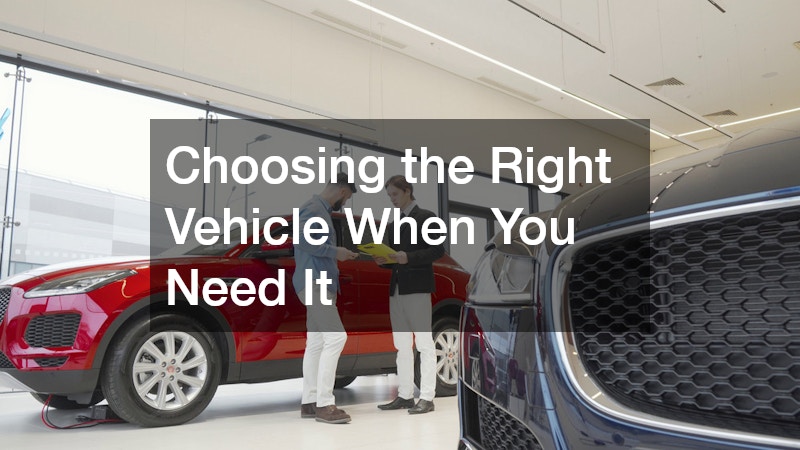
Selecting the right vehicle for a specific purpose starts with evaluating your needs in detail. Consider what you are transporting, how often you will use the vehicle, and what level of comfort and reliability is required.
When looking for temporary or specialized transport options, truck rental services provide a flexible solution. They allow individuals and businesses to access vehicles for short-term projects without the long-term commitment of ownership. Before renting, consider the following checklist:
- Inspect the exterior for dents, scratches, or previous damage.
- Verify mileage limits and potential additional fees.
- Check the condition of tires and brakes.
- Review insurance coverage options to ensure adequate protection.
- Confirm the truck’s load capacity meets your requirements.
Selecting a rental truck that matches your exact needs prevents delays and reduces the risk of accidents or vehicle damage. Additionally, maintaining a good rental history can sometimes provide perks like discounted rates or priority reservations.
Maintaining Vehicle Exterior Integrity
The exterior of your vehicle is constantly exposed to environmental factors such as sunlight, rain, snow, and road debris. Maintaining its structural and visual integrity not only enhances appearance but also prevents long-term issues. Minor dents, scratches, or paint chips may seem inconsequential but can lead to rust and structural weakness over time.
Truck body repair services are essential for addressing damage that could compromise vehicle safety. While small scratches can sometimes be repaired at home with touch-up kits, significant dents, frame misalignments, or paint damage are best handled by professionals. Key steps to maintain the exterior include:
- Washing the vehicle regularly to remove dirt and corrosive substances.
- Applying protective wax or coatings to shield paint from UV damage.
- Inspecting body panels for alignment issues or hidden damage after minor collisions.
- Repairing scratches and dents promptly to prevent rust formation.
Preventive care is often more cost-effective than major repairs later, and investing in high-quality repair services extends the life of your vehicle while maintaining its resale value.
Handling Emergencies Efficiently

Vehicle breakdowns and accidents can occur unexpectedly. Being prepared ensures that emergencies are handled quickly, safely, and with minimal stress. One of the most critical services in such situations is truck towing services, which provide immediate transportation for vehicles that cannot be safely driven.
Key tips for managing vehicle emergencies include:
- Keeping a roadside emergency kit that includes flares, a flashlight, first aid supplies, and basic tools.
- Having a list of trusted towing and repair services readily available.
- Understanding how to safely move your vehicle off the road to prevent further damage or hazards.
- Ensuring your vehicle insurance covers emergency towing and roadside assistance.
Prompt action during emergencies prevents further mechanical damage, reduces repair costs, and protects both the driver and passengers from potential hazards.
Extending the Life of Recreational Vehicles
Recreational vehicles like golf carts require consistent attention to remain reliable and safe. These vehicles often operate in specialized environments such as golf courses, resorts, or private properties, and their smaller size and unique mechanics demand specific maintenance routines.
Golf cart repair services help maintain functionality and extend the lifespan of these vehicles. Routine care tips include:
- Checking and maintaining battery health regularly, including cleaning terminals and ensuring proper charging cycles.
- Inspecting brakes, tires, and suspension components for wear and tear.
- Lubricating moving parts to prevent rust and friction damage.
- Scheduling professional inspections annually to identify potential issues early.
By following these guidelines, owners can enjoy consistent performance, avoid costly repairs, and ensure that recreational vehicles remain safe for users of all ages.
Preserving Classic Vehicles for the Long Term
Classic cars are valuable both sentimentally and financially. Preserving them requires attention to detail and a commitment to both aesthetic and mechanical integrity. Owners should focus on proper storage, regular maintenance, and timely repairs. Beyond basic maintenance, preserving a classic car involves understanding the unique needs of vintage vehicles, which often differ significantly from modern automobiles.
Classic car auto repair services provide expertise in handling older vehicles that may have outdated parts or complex restorations. These specialists are trained to deal with mechanical quirks, sourcing rare components, and restoring vehicles to their original condition. Key preservation tips include:
- Storing vehicles in climate-controlled environments to prevent rust and damage from temperature fluctuations. Ideal storage facilities maintain consistent humidity and temperature to prevent corrosion, cracking, or mold growth in upholstery and rubber components.
- Using quality fluids, oils, and fuels that are appropriate for older engines. Modern fuels can sometimes damage older engine seals or cause carbon buildup, so selecting the right oil viscosity and additives is crucial for long-term performance.
- Avoiding prolonged exposure to sunlight, which can fade paint and damage interiors. UV-protective covers and garage storage help maintain both paint vibrancy and leather or vinyl condition.
- Documenting all maintenance and repairs to maintain historical accuracy and resale value. A detailed log not only provides proof of proper care but also enhances the car’s value if it is ever sold or appraised.
- Rotating tires and moving the car periodically to prevent flat spots, even in storage. This simple step ensures the tires maintain their shape and reduces stress on suspension components.
- Regularly checking battery health and electrical connections, which can degrade even when the car is not in active use. Battery maintenance prevents corrosion and ensures the vehicle is ready to drive when needed.
Routine care and professional restoration work ensure that classic vehicles not only function well but also retain their historical appeal for collectors and enthusiasts. Investing in a combination of preventive measures and specialized repairs ensures that these cherished vehicles can be enjoyed for generations, while minimizing costly emergency restorations.
Essential Mechanical Care for Collectors
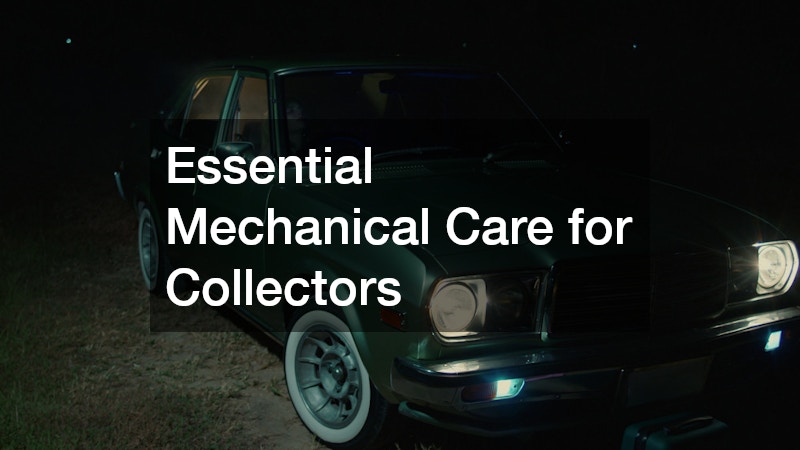
For serious collectors, maintaining the operational integrity of classic vehicles goes beyond aesthetics. Consistent mechanical care prevents breakdowns and ensures the vehicle can be enjoyed on the road. Classic auto repair services are specialized in diagnosing and fixing issues that may not be addressed by modern mechanics. These services include engine rebuilding, transmission refurbishing, and suspension tuning specifically tailored to vintage vehicles.
Key recommendations include:
- Performing regular engine diagnostics and tune-ups to ensure smooth performance. Even if the car is only driven occasionally, periodic engine checks prevent hidden issues from developing into expensive repairs.
- Inspecting brakes, transmissions, and suspension systems for early signs of wear. Older braking systems may require specialized knowledge to adjust or replace, and preventive maintenance ensures safety on modern roads.
- Sourcing authentic or high-quality replacement parts to maintain the car’s originality. Using aftermarket or incorrect components can compromise performance and reduce the vehicle’s collector value.
- Engaging with professional mechanics experienced in vintage automobiles for any complex repairs. Experts can identify subtle mechanical issues that inexperienced technicians might miss, preserving both performance and authenticity.
- Maintaining the cooling system, including radiators, hoses, and water pumps. Older vehicles are prone to overheating, and proactive inspection prevents engine damage.
- Lubricating all moving parts, from door hinges to drivetrain components, to reduce wear and maintain smooth operation. Proper lubrication also helps prevent corrosion and mechanical failure.
With a structured maintenance schedule and access to specialized repair services, collectors can enjoy the performance and reliability of their classic cars without compromising historical authenticity. Consistent care not only preserves value but also ensures that each driving experience is enjoyable, safe, and true to the vehicle’s original design.
Environmentally Responsible Vehicle Disposal
Vehicles that are no longer safe or cost-effective to maintain need to be disposed of responsibly. Car scrapping service options provide a safe, environmentally friendly way to recycle or repurpose old vehicles. These services are increasingly important as vehicle components contain metals, plastics, and fluids that can harm the environment if improperly discarded.
Important considerations for vehicle disposal include:
- Assessing whether the vehicle is suitable for donation, resale, or scrapping. Vehicles with intact engines or valuable parts may be better repurposed or sold, while heavily damaged cars may be candidates for recycling.
- Ensuring hazardous fluids and components are handled properly to prevent environmental contamination. Oils, coolants, batteries, and fuel tanks must be drained and processed according to regulations.
- Understanding the financial and legal implications of scrapping, including potential tax benefits or scrap value. Many facilities offer compensation for metals or parts, which can offset costs.
- Choosing licensed scrap facilities that comply with environmental regulations. Proper disposal reduces landfill waste and supports responsible recycling initiatives.
- Documenting the scrapping process, including proof of disposal and environmental compliance, which can be necessary for legal or insurance purposes.
- Considering alternative recycling options, such as donating parts to classic car restoration projects or schools with automotive programs, to extend the vehicle’s useful life in a new form.
Proper vehicle disposal prevents harmful substances from entering the environment and maximizes the value that can be recovered from old vehicles, either through recyclable materials or reusable parts. Thoughtful disposal practices also demonstrate social responsibility and promote sustainability in the automotive industry.
Enhancing Vehicle Appearance and Protection
Protecting your vehicle’s exterior is essential for maintaining both aesthetics and long-term value. Car ceramic coatings provide a durable layer of protection against scratches, chemical stains, and UV damage while enhancing the vehicle’s shine. Beyond appearance, these coatings make routine cleaning easier and extend the lifespan of paintwork.
Practical tips for applying and maintaining ceramic coatings include:
- Thoroughly washing and decontaminating the vehicle before application. Any residual dirt, grease, or water spots can affect adhesion and reduce the coating’s effectiveness.
- Following manufacturer guidelines for curing times and maintenance intervals. Proper curing ensures a long-lasting protective layer that withstands environmental damage.
- Using gentle cleaning methods to prevent premature wear of the coating. Avoid harsh brushes or abrasive cloths, and choose pH-neutral shampoos specifically designed for coated vehicles.
- Regularly inspecting the coating for areas of wear or damage. Spot maintenance and reapplication in high-stress areas, such as bumpers and hood edges, preserves overall protection.
- Considering professional application for optimal results. While DIY kits are available, professional services often provide more uniform coverage and longer-lasting performance.
- Combining coatings with other protective measures, such as paint protection film on vulnerable areas, for maximum defense against road debris and UV exposure.
Investing in ceramic coatings not only preserves the vehicle’s appearance but also reduces the need for frequent polishing and repainting, saving time and money over the long term. Vehicles that receive consistent protective care maintain a showroom finish, increase resale value, and provide pride of ownership.
Regular Cleaning and Interior Care
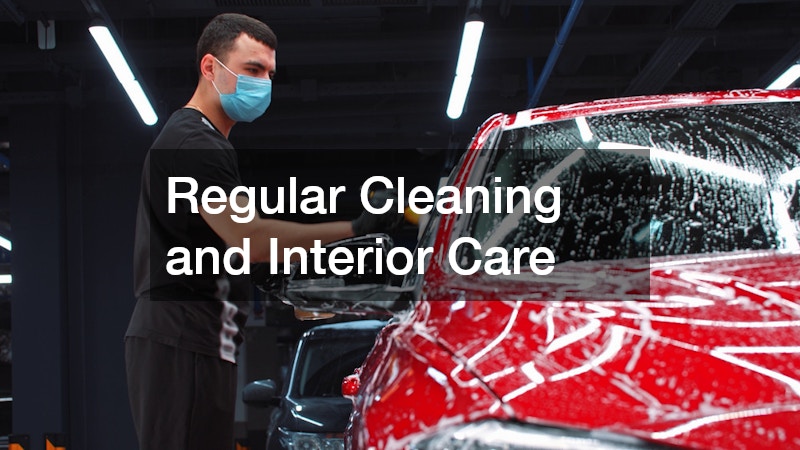
Maintaining a clean vehicle is vital for both aesthetic appeal and hygiene. A professional car wash service ensures that the vehicle is cleaned thoroughly, removing contaminants that could cause paint damage or interior wear. Regular cleaning also prevents dirt and debris from infiltrating mechanical components, which can reduce efficiency and cause long-term issues.
Tips for effective cleaning and maintenance include:
- Washing the vehicle regularly to remove dirt, grime, and road salts, which can accelerate corrosion and degrade exterior finishes.
- Cleaning the interior, including carpets, upholstery, and dashboard surfaces, to prevent odors and deterioration. Use specialized cleaners for leather, vinyl, or fabric surfaces to maintain material integrity.
- Scheduling professional detailing periodically for deep cleaning and restoration. Detailing addresses hard-to-reach areas and restores luster to surfaces that regular cleaning may miss.
- Using high-quality cleaning products and microfiber cloths to avoid scratches and minimize abrasive contact with paint.
- Protecting the interior with conditioners and UV protectants to prevent cracking or fading, especially in vehicles exposed to sunlight.
- Ensuring proper maintenance of seals and weatherstripping to prevent water ingress and mold growth inside the cabin.
By following these practices, owners can keep their vehicles looking new while protecting surfaces and extending the lifespan of both interior and exterior components. A clean vehicle also improves safety, comfort, and driving enjoyment.
Improving Comfort, Privacy, and Safety
Window treatments provide multiple benefits beyond aesthetics, including UV protection, heat reduction, and privacy. Proper window tinting enhances driving comfort and protects both the interior and occupants from sun damage. Tinting can also reduce glare, making long drives safer and more enjoyable.
Key considerations for tinting include:
- Choosing the correct type and darkness of tint for your vehicle and local laws. Darker tints may provide more privacy but must comply with regulations to avoid fines.
- Ensuring professional installation to avoid bubbling, peeling, or uneven application, which can detract from appearance and reduce effectiveness.
- Maintaining tinted windows by avoiding abrasive cleaners and regularly inspecting for damage. Proper maintenance preserves longevity and performance.
- Understanding the legal limits for window tinting in your jurisdiction to avoid fines. Different states and regions have specific restrictions on visible light transmission and reflectivity.
- Considering additional benefits, such as heat-reflective or ceramic tints, which offer higher UV protection and reduce interior temperature more effectively.
- Cleaning with soft cloths and specialized cleaners to prevent scratching or degradation of the tint film.
Well-installed window tinting improves comfort during long drives, protects sensitive interior materials, and adds a layer of privacy and security for drivers and passengers. This investment enhances both daily usability and long-term preservation of the vehicle’s interior.