Unexpected vehicle damage can disrupt daily routines, travel plans, and work obligations in ways that extend far beyond the initial incident. Whether the damage comes from a collision, severe weather, mechanical failure, or road hazards, coordinating repairs across different types of vehicles requires careful planning and informed decision-making. Cars, recreational vehicles, and motorcycles all have unique repair needs, timelines, and logistical challenges that must be addressed methodically to avoid delays and unnecessary complications. When multiple systems or vehicles are involved, organization becomes just as important as the repairs themselves.
The first step in navigating this situation is understanding that not all vehicle repairs follow the same process. The repair path for a motorcycle differs significantly from that of an RV or a commercial truck, and each requires specialized assessment, parts sourcing, and technical expertise. Coordinating inspections, managing transportation, and communicating clearly with service providers helps prevent confusion and keeps repairs moving forward efficiently. Without a structured approach, vehicle owners may face extended downtime, scheduling conflicts, or incomplete repairs that lead to recurring issues.
This guide outlines practical strategies for managing vehicle repairs after unexpected damage, with a focus on coordination, communication, and prioritization. Each section explores a specific repair category, highlighting how to streamline the process, reduce disruptions, and maintain clarity throughout each stage. By approaching repairs systematically and understanding how different services fit together, vehicle owners can regain control of the situation and ensure that every repair is handled correctly and efficiently from start to finish.
Assessing Specialized Repair Needs for Two-Wheeled Vehicles
When a motorcycle sustains damage, the repair process often requires a different level of attention compared to standard passenger vehicles. Motorcycles rely on exposed components, precise alignment, and balance-sensitive systems that can be affected even by minor impacts. Before repairs begin, a comprehensive inspection is essential to identify both visible and hidden issues that could compromise safety or performance. This includes evaluating the frame, suspension, braking system, and steering components, which are all critical to rider control.
Coordinating motorcycle services involves scheduling assessments with technicians who understand the nuances of two-wheeled mechanics. Unlike cars, motorcycles often require specialized lifts, tools, and diagnostic procedures. Timing also plays an important role, as parts availability and technician expertise can influence repair schedules. Clear documentation of damage, repair recommendations, and expected timelines helps prevent miscommunication and ensures that nothing is overlooked during the process.
Another important consideration is sequencing repairs correctly. Structural or mechanical issues should always be addressed before cosmetic concerns to ensure the motorcycle is road-ready and safe to operate. Keeping a centralized repair checklist can help track progress, confirm completed work, and ensure final inspections are performed. By approaching motorcycle repairs with a structured plan, vehicle owners can restore functionality while maintaining confidence in the bike’s long-term reliability and performance.
Managing Cosmetic Damage Without Delaying Structural Repairs

Cosmetic damage is often one of the most noticeable outcomes of unexpected vehicle incidents, but it should never overshadow the importance of structural integrity. Dents, dings, and surface imperfections may appear minor, yet they can sometimes mask underlying issues. Proper evaluation ensures that cosmetic repairs are handled at the right stage of the repair process without interfering with essential mechanical work.
Paintless dent repairs are frequently used to address surface-level damage where the vehicle’s paint remains intact. This approach allows technicians to reshape panels without extensive refinishing, preserving the original finish and maintaining the vehicle’s appearance. Coordination is key, as this type of repair should be scheduled after structural assessments but before final detailing or reassembly. Ensuring that panels are properly aligned and secured beforehand prevents repeat work.
Clear communication between repair providers helps streamline this phase. Sharing inspection reports and repair timelines allows cosmetic specialists to work efficiently within the broader repair plan. Vehicle owners benefit from understanding how cosmetic restoration fits into the overall process, preventing unnecessary delays and ensuring that visual improvements do not compromise safety or durability. When properly coordinated, cosmetic repairs enhance the vehicle’s appearance while supporting a complete and well-executed restoration.
Addressing Facility and Access-Related Repairs During Vehicle Downtime
Unexpected vehicle damage can sometimes expose issues beyond the vehicle itself, particularly when storage facilities or access points are involved. Garages, service bays, or storage units may sustain damage during accidents, storms, or mechanical failures, creating additional logistical challenges. Addressing these concerns promptly helps maintain secure storage and uninterrupted access throughout the repair process.
Local hangar door repairs may become necessary when doors are damaged, misaligned, or rendered inoperable. These doors often play a critical role in protecting vehicles from environmental exposure and unauthorized access. Coordinating these repairs alongside vehicle servicing ensures that repaired vehicles can be stored safely once work is completed. Scheduling facility repairs early prevents bottlenecks when vehicles are ready for pickup or transport.
Effective coordination involves aligning timelines between facility technicians and vehicle repair providers. Clear communication ensures that access points are restored before vehicles return, avoiding last-minute complications. Addressing facility-related issues during vehicle downtime maximizes efficiency and reduces overall disruption. This integrated approach ensures that both vehicles and the spaces they occupy are fully functional and secure once repairs are finalized.
Planning Exterior Repairs That Restore Safety and Appearance

Exterior components play a vital role in both vehicle safety and aesthetics. Damage to areas such as bumpers can affect impact absorption, sensor functionality, and overall structural protection. Coordinating these repairs properly ensures that vehicles are restored to safe operating conditions while maintaining visual consistency.
Bumper repair services often involve more than surface restoration. Modern bumpers may house sensors, cameras, and reinforcement structures that require precise recalibration and alignment. Scheduling these repairs after mechanical inspections but before final testing allows technicians to verify that all integrated systems function correctly. Coordination between body specialists and diagnostic technicians is essential to prevent errors or incomplete restorations.
Documentation and communication are key during this phase. Detailed repair plans help ensure that all components are addressed, including mounting brackets and electronic connections. Proper sequencing prevents rework and supports efficient completion. By integrating exterior repairs into the broader repair strategy, vehicle owners can achieve a balanced outcome that prioritizes safety, functionality, and appearance without unnecessary delays.
Coordinating Repairs for Larger Recreational Vehicles
Recreational vehicles present unique challenges due to their size, complexity, and multifunctional systems. Damage can affect not only the driving components but also living spaces, utilities, and structural elements. Coordinating repairs requires a comprehensive approach that accounts for all onboard systems.
Rv repairs often involve multiple trades, including mechanical technicians, electrical specialists, and interior repair professionals. Creating a centralized repair plan helps organize inspections and prioritize work based on safety and usability. Structural and mechanical issues should be addressed first, followed by utility systems and interior components. This structured approach minimizes downtime and prevents overlapping work.
Clear timelines and regular updates are especially important for larger vehicles. Parts availability and specialized labor can influence repair duration, making proactive communication essential. Coordinating transportation, storage, and inspections ensures that the RV remains accessible and protected throughout the process. With careful planning, RV owners can navigate repairs efficiently and restore their vehicle’s functionality for future travel.
Prioritizing Drivetrain and Performance-Critical Systems
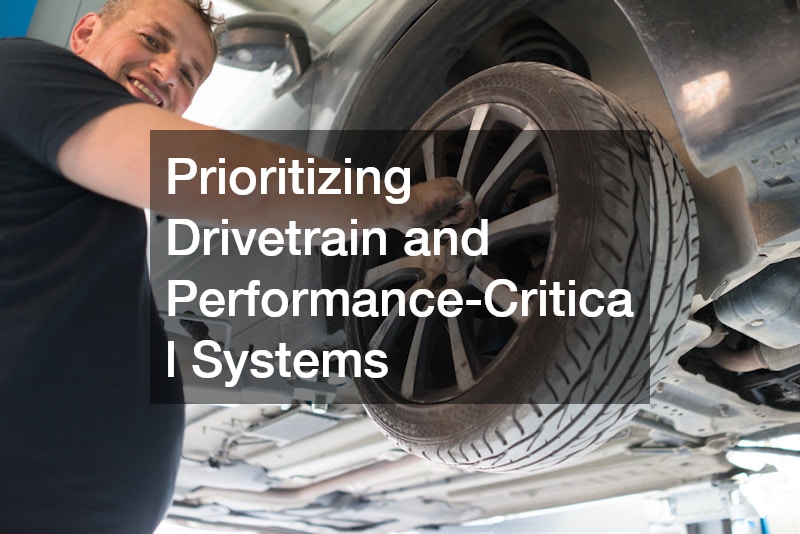
Mechanical systems form the backbone of vehicle reliability, and damage to these components demands immediate attention. Drivetrain issues can affect performance, safety, and long-term durability if not properly addressed. Coordinating these repairs early helps prevent secondary damage and extended downtime.
Transmission repair requires precise diagnostics to identify internal damage, fluid issues, or electronic control faults. Scheduling these inspections early in the repair process allows technicians to determine whether additional components are affected. Clear documentation of findings supports accurate repair planning and avoids unnecessary disassembly later.
Once repairs are completed, thorough testing is essential. Coordinating road tests and system calibrations ensures that performance meets manufacturer specifications. Integrating drivetrain repairs into the overall repair timeline supports smoother transitions between repair phases and helps restore confidence in the vehicle’s reliability. Addressing performance-critical systems methodically ensures safe operation and long-term functionality.
Managing Parts Availability and Supply Coordination
Parts availability plays a significant role in determining repair timelines and outcomes. Coordinating sourcing efforts early helps prevent delays and ensures compatibility across repair stages. A proactive approach to parts management supports smoother workflows and predictable completion schedules.
Local auto parts suppliers often provide faster access to commonly needed components and facilitate easier communication between technicians. Coordinating with these suppliers allows repair teams to verify part specifications and availability before work begins. This reduces the risk of mismatched components or incomplete installations.
Maintaining a centralized parts list helps track orders, deliveries, and installations. Clear labeling and documentation ensure that all required components are accounted for and installed correctly. By integrating parts management into the broader repair strategy, vehicle owners and technicians can minimize disruptions and keep repairs moving forward efficiently.
Organizing Vehicle Transport and Recovery Logistics

Transporting damaged vehicles safely is a critical aspect of repair coordination. Whether a vehicle is inoperable or unsafe to drive, proper recovery ensures it reaches repair facilities without further damage. Planning transport logistics early helps streamline the entire process.
Local towing companies play a key role in this stage by providing timely and appropriate transport solutions. Coordinating pickup times, destinations, and access requirements prevents delays and miscommunication. Sharing repair schedules with towing providers ensures vehicles arrive when facilities are prepared to receive them.
Documentation during transport is also important. Recording vehicle condition before and after towing supports transparency and accountability. Integrating transport planning into the overall repair timeline reduces stress and ensures vehicles move smoothly between locations as repairs progress.
Coordinating Repairs for Commercial and Fleet Vehicles
Commercial vehicles and fleets face additional challenges due to operational demands and scheduling constraints. Unexpected damage can disrupt business activities, making efficient repair coordination essential. Managing these repairs requires a balance between technical accuracy and logistical efficiency.
Trucking companies often coordinate repairs across multiple vehicles, requiring centralized communication and detailed planning. Establishing clear priorities helps determine which vehicles require immediate attention and which can be scheduled later. Coordinating inspections, parts sourcing, and labor allocation minimizes downtime and supports continuity of operations.
Clear reporting and documentation are vital for fleet management. Tracking repair progress and completion dates allows businesses to adjust schedules and maintain productivity. By approaching fleet repairs with structured coordination, organizations can restore vehicles efficiently while maintaining operational stability.
Navigating Legal and Documentation Considerations After Major Incidents
Severe vehicle incidents may involve legal and administrative considerations alongside physical repairs. Proper documentation and coordination help ensure that all necessary steps are addressed without interfering with repair timelines. Understanding these responsibilities supports a smoother recovery process.
A truck accident attorney may become involved when incidents involve significant damage, injuries, or commercial vehicles. Coordinating communication between legal representatives and repair facilities ensures accurate documentation of damage and repair actions. This alignment supports transparency and compliance throughout the process.
Maintaining organized records, including inspection reports, photographs, and repair summaries, helps streamline communication and protect all parties involved. Integrating legal considerations into the repair coordination plan ensures that vehicles are restored properly while administrative obligations are met efficiently.
Coordinating auto, RV, and motorcycle repairs after unexpected vehicle damage requires a structured, informed approach that prioritizes safety, communication, and efficiency. Each vehicle type presents distinct challenges, from specialized mechanical systems to logistical considerations and documentation requirements. By understanding how different repair categories intersect and sequencing work thoughtfully, vehicle owners can reduce downtime and avoid unnecessary complications. Clear communication with service providers, organized documentation, and proactive planning all contribute to smoother repair experiences. When repairs are managed cohesively rather than in isolation, the process becomes more predictable and less disruptive. Ultimately, a well-coordinated repair strategy restores not only the vehicle’s functionality but also confidence in its reliability, allowing owners to move forward with clarity and peace of mind.