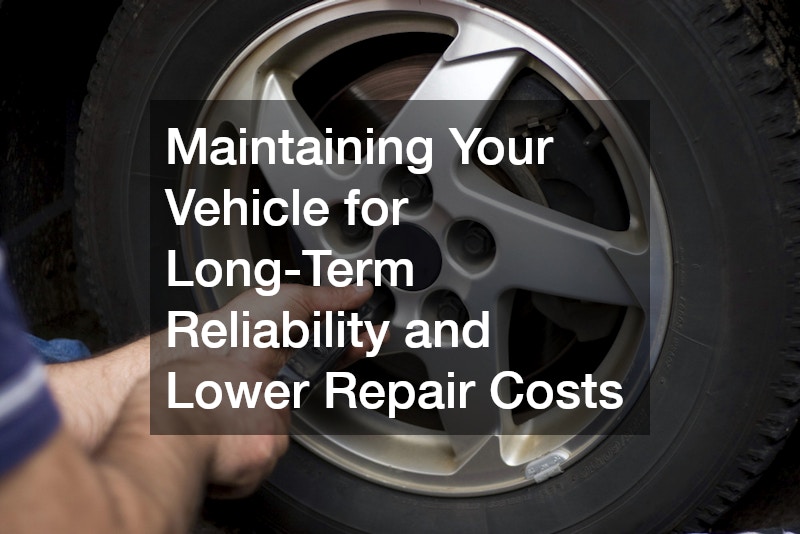
Owning a vehicle provides freedom, convenience, and mobility, but it also comes with the responsibility of proper care. Many drivers focus on immediate issues and neglect preventive measures, which can lead to costly repairs, unexpected downtime, and decreased vehicle reliability. By taking a proactive approach to vehicle maintenance, owners can significantly extend the lifespan of their car or truck, enhance safety, and reduce long-term repair expenses.
Regular, systematic vehicle care is not just about avoiding breakdowns. It’s about improving fuel efficiency, maintaining resale value, and ensuring consistent performance over the years. Vehicles that are well-maintained operate more efficiently, are safer to drive, and retain their value far better than neglected counterparts. This guide provides an in-depth look at strategies for maintaining your vehicle, from preventive care to specialized practices for trucks, diesel engines, and high-mileage vehicles.
Establish a Preventive Maintenance Schedule Early
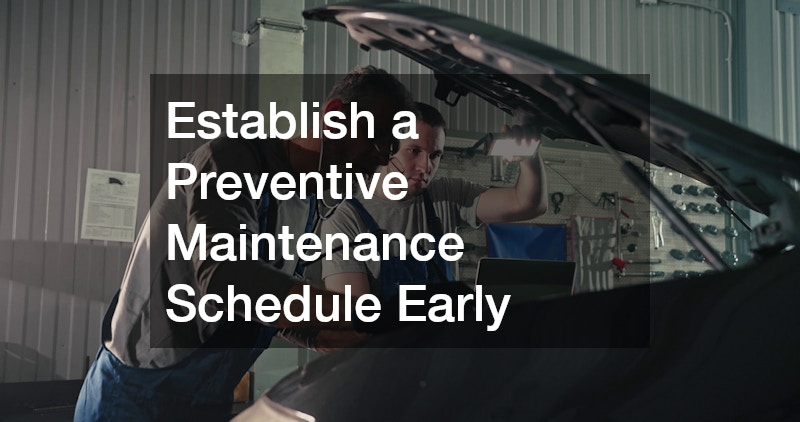
Preventive maintenance is the cornerstone of long-term vehicle reliability. Following manufacturer-recommended service intervals and proactively inspecting key components prevents minor issues from becoming major, expensive problems. By catching wear and tear early, you maintain performance, safety, and efficiency.
Critical maintenance tasks to include in your schedule:
- Regular engine oil and filter changes to prevent sludge buildup and improve lubrication
- Brake inspections and timely pad replacements to ensure stopping power
- Checking and replacing fluids including coolant, transmission, brake, and power steering fluids
- Battery testing and replacement to avoid unexpected failures
- Inspection of belts and hoses to prevent engine overheating and component failure
- Exhaust system inspections to ensure optimal emissions performance and fuel efficiency
Using high-quality components through trusted auto part services is essential. Quality parts last longer, reduce secondary damage risks, and improve overall vehicle performance. In addition, keeping a detailed maintenance log helps track service intervals and provides documentation for insurance claims or future resale, giving you peace of mind and financial protection.
Identify Minor Body Damage Before It Becomes Structural
Even small dents, scratches, or rust spots can lead to major issues if left untreated. Corrosion can spread beneath the paint, weakening panels and potentially affecting structural integrity. Early detection allows for repairs that preserve both safety and appearance.
Steps for managing body damage:
- Regularly inspect your vehicle’s exterior for dents, scratches, and rust spots
- Address minor corrosion quickly to prevent it from spreading
- Schedule professional evaluations for any suspected structural impact
- Maintain protective coatings and wax to prevent environmental damage
- Repair or replace damaged panels through certified auto body garages to ensure quality workmanship
Ignoring minor cosmetic issues can result in higher repair costs, weakened safety, and a reduced resale value. Professional body shops assess damage thoroughly, using precise techniques to restore structural integrity while preserving the vehicle’s appearance. Over time, consistent attention to minor issues reduces the likelihood of major repairs and keeps your vehicle looking and performing like new.
Protect Your Vehicle From Road Hazards and Debris
Windshields and other glass components are vulnerable to chips and cracks from road debris, temperature changes, and minor collisions. Even small damage can escalate into a major safety hazard, compromising driver visibility and structural integrity.
Best practices for glass care:
- Inspect windshields regularly for chips, cracks, or other imperfections
- Repair minor chips immediately to prevent larger cracks
- Use certified replacement windshields when repairs are insufficient
- Practice cautious driving on gravel roads or near construction zones
- Avoid sudden temperature changes that can stress the glass
Addressing glass damage promptly reduces repair costs and enhances safety. Regular inspections ensure small problems are fixed before they escalate into major repairs, maintaining both functionality and aesthetics. Combining careful driving habits with professional repair services maximizes the lifespan of your vehicle’s glass components.
Maintain Tires and Suspension for Even Wear and Stability
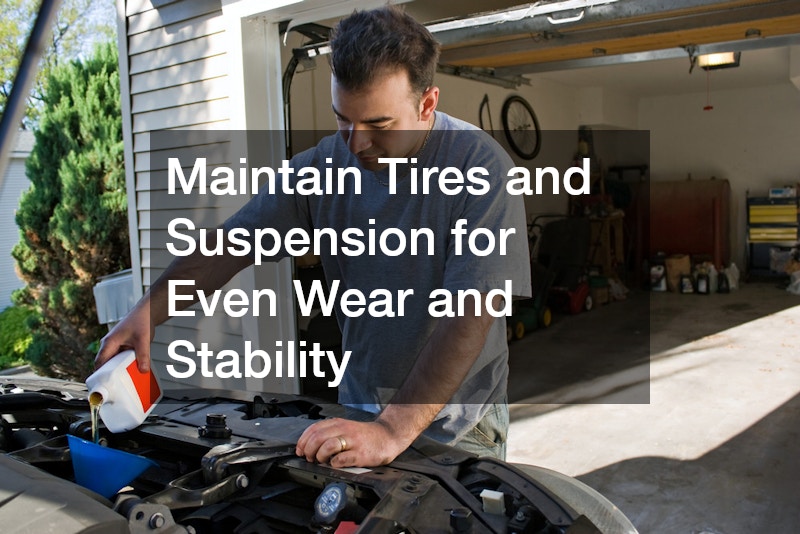
Tires and suspension are critical for safety, handling, and fuel efficiency. Uneven wear or misalignment can indicate underlying issues that, if ignored, lead to expensive repairs. Regular maintenance ensures stability, even wear, and optimal driving performance.
Tips for tire and suspension maintenance:
- Maintain proper tire pressure according to manufacturer guidelines
- Rotate tires every 5,000–7,500 miles to ensure even wear
- Have tires balanced and aligned at a trusted local tire shop
- Inspect suspension components such as shocks, struts, and bushings regularly
- Look for abnormal tire wear patterns as indicators of alignment or suspension problems
Proper tire and suspension care reduces strain on drivetrain components, improves fuel economy, and prevents premature tire replacement. A proactive approach also ensures consistent handling, especially in adverse weather conditions or when carrying heavy loads, ultimately saving money and improving safety.
Monitor Transmission Health to Avoid Catastrophic Repairs
Transmission issues are often expensive and disruptive. Slipping gears, delayed shifting, or unusual noises are early warning signs. Addressing these promptly can prevent total transmission failure and the need for costly rebuilds.
Transmission maintenance tips include:
- Regularly check and replace transmission fluid
- Schedule inspections and repairs with a certified transmission mechanic
- Monitor for unusual noises, vibrations, or shifts
- Avoid harsh driving practices that accelerate wear
- Keep records of service and repairs for reference
Routine transmission care significantly extends lifespan, improves fuel efficiency, and prevents emergency repairs. Owners who address minor issues early avoid large-scale failures and unexpected vehicle downtime, which can be costly and inconvenient.
Prepare for Breakdowns Without Panicking or Overspending
Even the best-maintained vehicles may encounter emergencies. Preparing ahead ensures minimal financial and operational impact. Knowing who to call and what steps to take can prevent minor problems from becoming major repairs.
Preparation strategies include:
- Keeping contact info for a trusted towing service accessible
- Maintaining a roadside emergency kit with tools, jumper cables, and first aid supplies
- Documenting insurance and registration for quick access
- Checking the spare tire and essential fluids regularly
- Understanding how to safely handle minor breakdowns
Being prepared minimizes the risk of escalating damage during a breakdown. Proper towing and emergency handling preserve both mechanical components and bodywork, reducing repair costs and stress.
Maintain Coverage That Supports Smart Repair Decisions

Insurance coverage plays a key role in managing repair costs. Understanding your policy ensures that repairs are handled efficiently, with minimal out-of-pocket expenses.
Insurance management tips:
- Evaluate different auto insurance plans for repair and replacement coverage
- Understand your deductible and policy limits
- Document all damage thoroughly before filing claims
- Work with insurers who recognize certified repair providers
- Keep insurance and registration documents easily accessible
Having the right coverage allows you to make informed repair decisions, choose quality service providers, and avoid financial surprises. When paired with proactive maintenance, insurance becomes a valuable tool for managing long-term vehicle costs.
Extend the Life of Work Vehicles and Pickup Trucks
Work vehicles, particularly pickup trucks and utility vehicles, are subjected to more demanding conditions than standard passenger cars. Hauling heavy loads, towing trailers, navigating rough terrain, and frequent use in construction or agricultural settings can accelerate wear and tear on both the exterior and mechanical components. Over time, this added stress can lead to frame damage, suspension issues, and accelerated rust or corrosion, which may compromise safety and reduce the vehicle’s overall lifespan. Protecting high-wear areas, especially the cargo bed, is essential not only for maintaining structural integrity but also for preserving the vehicle’s resale value and ensuring reliable performance for daily work tasks.
Maintenance tips for work trucks:
- Install durable truck bed liners to prevent scratches, dents, and corrosion caused by shifting cargo and heavy equipment.
- Clean the bed regularly to remove moisture, dirt, and debris that can lead to rust and accelerated wear.
- Balance loads carefully to reduce suspension strain and avoid uneven tire wear, which can affect handling and increase repair costs.
- Inspect high-use areas such as hitches, tailgates, and latches for damage or wear to prevent operational issues during heavy-duty tasks.
- Schedule regular comprehensive inspections to monitor overall vehicle health, including brakes, tires, suspension, and drivetrain components.
Investing in protective measures and preventative maintenance significantly reduces long-term repair costs while keeping work vehicles reliable and safe. Regular attention to cargo areas and critical components ensures that trucks remain functional and efficient under demanding conditions. By addressing potential issues early and maintaining a consistent care routine, owners can extend the life of their work vehicles, minimize downtime, and protect their investment. These proactive strategies not only enhance safety and reliability but also contribute to better performance, smoother operation, and reduced likelihood of expensive emergency repairs.
Special Considerations for Diesel Vehicles and High-Mileage Use
Diesel engines are known for their durability, torque, and long lifespan, making them ideal for trucks, commercial vehicles, and high-mileage drivers. However, their performance and longevity depend heavily on proper maintenance. Unlike gasoline engines, diesel engines operate under higher compression and generate more heat, which places unique demands on components like the fuel system, turbochargers, and exhaust systems. Neglecting these specialized needs can result in costly repairs, decreased efficiency, and even catastrophic engine failure. Understanding and adhering to diesel-specific maintenance requirements is therefore essential for minimizing long-term costs and maximizing reliability.
Diesel maintenance strategies include:
- Following recommended diesel truck maintenance intervals for oil, filters, and coolant, as these fluids protect critical engine components and prevent premature wear.
- Using high-quality diesel fuel and properly maintaining the fuel injection system to avoid clogging, injector wear, and reduced engine performance.
- Conducting regular inspections of the exhaust and emissions systems to ensure compliance with environmental regulations and prevent issues like soot buildup or EGR valve failure.
- Monitoring for early warning signs such as excessive smoke, unusual engine noises, or reduced power, which can indicate developing problems before they become major repairs.
- Keeping thorough service records for preventive tracking, enabling owners to anticipate potential issues and maintain a consistent maintenance schedule.
Routine diesel maintenance not only prevents costly failures but also maximizes fuel efficiency, reduces emissions, and extends engine life. For high-mileage trucks, consistency in servicing is particularly important, as neglecting even minor tasks can compound into major mechanical problems. By following a proactive maintenance plan, diesel vehicle owners ensure long-term reliability, optimal performance, and a solid return on their investment. Well-maintained diesel engines can operate effectively for hundreds of thousands of miles, proving that careful attention to maintenance makes these vehicles a wise and dependable choice.
Evaluate Used Vehicles With Long-Term Costs in Mind

Purchasing a used vehicle can be a smart financial decision, offering significant savings compared to buying new. However, these savings can quickly vanish if the vehicle has hidden maintenance issues or a history of neglect. Without a careful evaluation, buyers may encounter costly repairs shortly after purchase, from worn-out transmissions to faulty brakes or suspension problems. Taking the time to thoroughly assess a used vehicle helps identify potential risks, giving buyers a clearer picture of the car’s true condition and long-term reliability.
Used vehicle evaluation tips:
- Review service records and maintenance history from a reputable local used auto dealership to confirm the vehicle has been properly cared for over time.
- Inspect for corrosion, previous collision damage, and wear on key components such as the frame, body panels, and engine bay.
- Have a trusted mechanic perform a pre-purchase inspection to uncover hidden issues that may not be immediately visible to an untrained eye.
- Check high-cost components like the transmission, brakes, and suspension to ensure they are in good working order and free of major wear.
- Assess tires, alignment, and fluid condition for signs of neglect, as these are often indicators of overall maintenance habits.
In addition to these practical steps, it’s wise to consider the vehicle’s ownership history, mileage, and any aftermarket modifications, as these factors can affect reliability and future maintenance needs. Thorough evaluation ensures that the used vehicle is a reliable long-term investment. Buyers who take the time to carefully assess and maintain their vehicles not only save money but also enjoy peace of mind, consistent performance, and a safer driving experience for years to come.
Proactive vehicle maintenance is the key to long-term reliability and lower repair costs. Regular inspections, preventive care, and informed decisions help prevent major failures, improve safety, and enhance performance. By adopting a structured maintenance plan, drivers can maximize the life of their vehicles, reduce unexpected expenses, and enjoy reliable, worry-free driving for years to come.